The company

Research & Development

We invest in research to ensure the best structural performance.

research and development - img1


Metal.Ri
participates in working groups and is a member of trade associations with which it develops specific projects (Universities, National and International Research Centers).

Together with INFO.MTR, it invests in research and product development, from continuous improvement of existing products to integration of new ones.

The goal is to transfer increasingly innovative solutions to the construction market, made with cutting-edge technologies and complying with industry standards, a guarantee of controlled and certified quality.


The computational and verification theories of MTR® System have been tested with the Polytechnic University of Bari,La Sapienza University of Rome and theUniversity of Basilicata.


Tests are carried out in collaboration with official and authorized laboratories in accordance with Art. 20 Law 1086/71, with the aim of verifying calculation theories: in conjunction with these tests, in the presence of non-ordinary situations and with structures that involve particularly high loads, on-site activities, tests, controls and structural investigations are carried out.

Man, an electrical technician working in a switchboard with fuses. Installation and connection of electrical equipment.
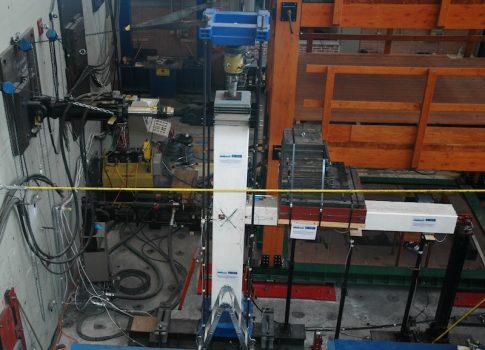
1-Earthquake assessment

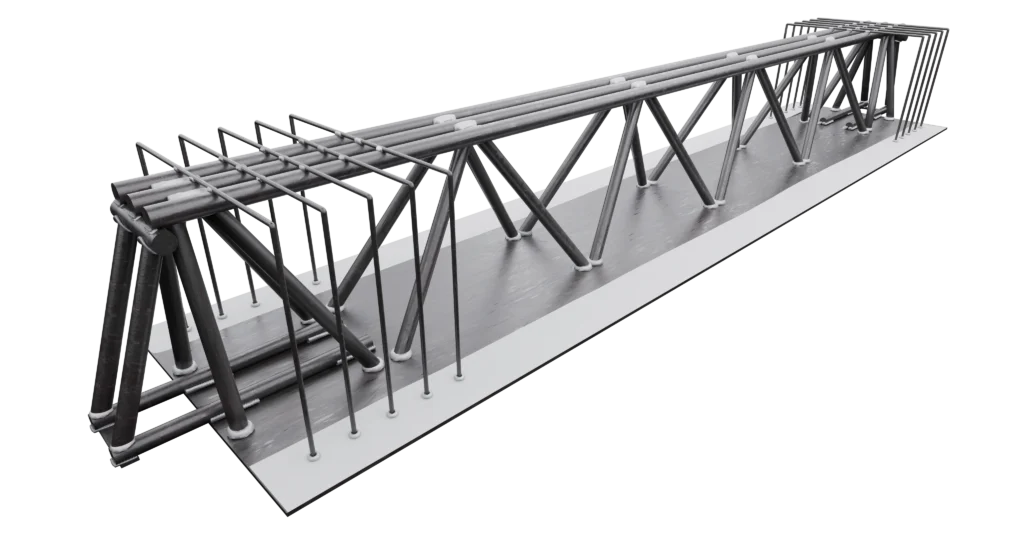
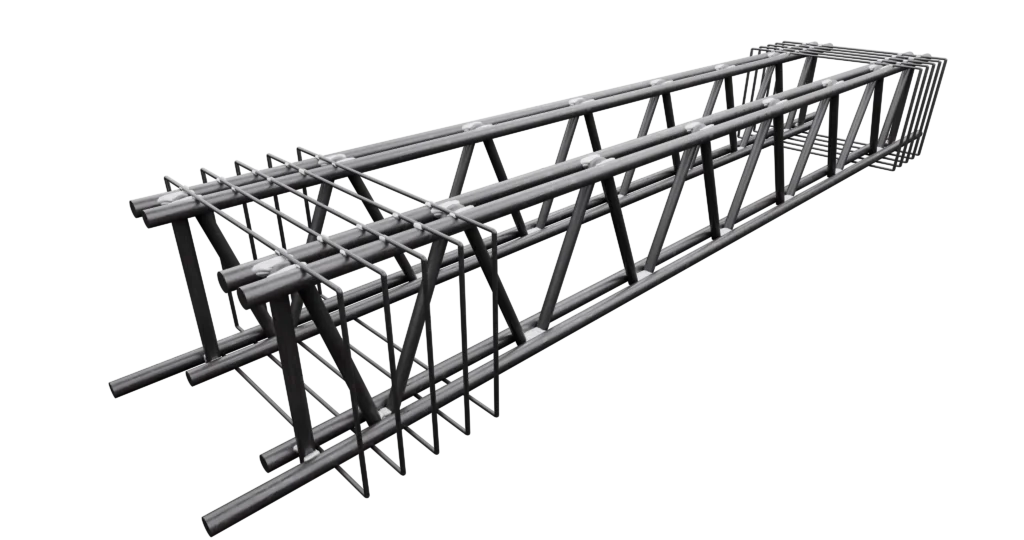
Evaluation of seismic response by 1:1 scale cyclic test of the reinforced concrete pillar - MTR® beam node
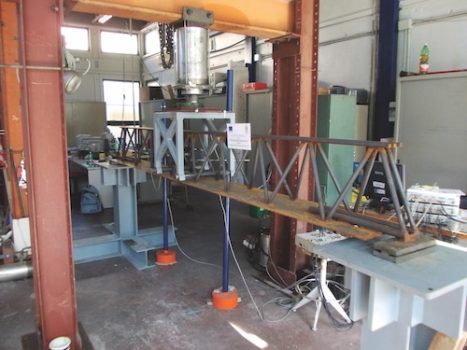
2-Static load test-phase 1

Static load test on uncast MTR® beam Phase 1
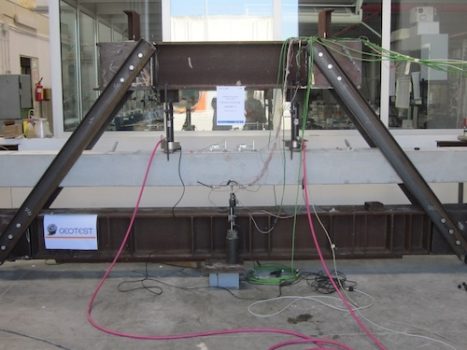
3-Static load test-phase 2

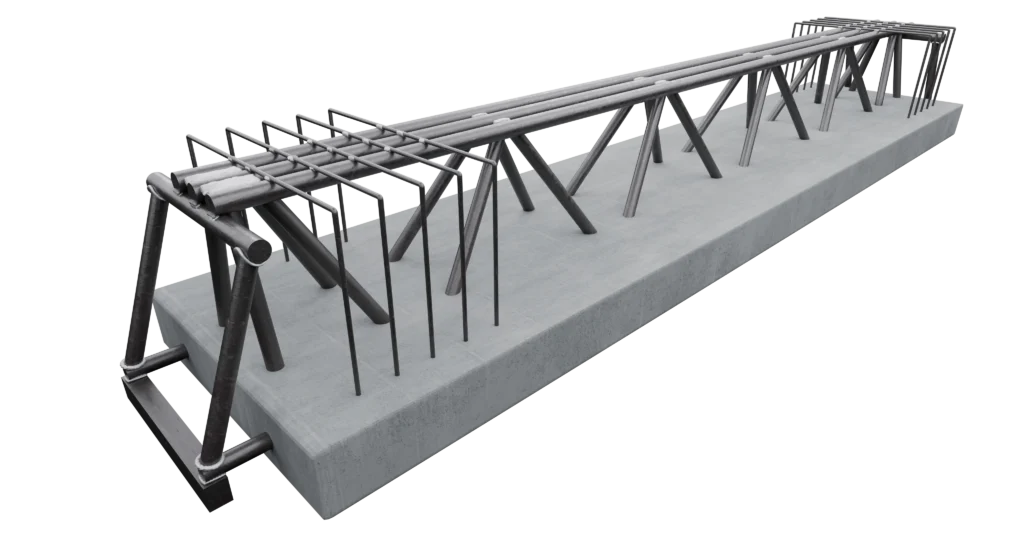
Static load test on cast MTR® beam Phase 2

4-On-site loading test

On-site load test

5- Bridge testing

Bridge load test in testing phase

6-Pillar test

Evaluation of the seismic response of the MTR® abutment.

Publication in the scientific journal

Research and development activities concerning the earthquake-resistant performance of MTR® System have attracted the interest of the international scientific community.


The article "Seismic Behavior and Modeling of Ductile Composite Steel-Trussed Concrete Beam to Column Joints.", which describes the results of experimentation on the beam-to-column connection, has been published in the scientific journal "Applied Sciences" of MDPI (Multidisciplinary Digital Publishing Institute) as part of the special anti-seismic issue Analysis and Design for Civil Structures.